
Epoxy & Polyaspartic Floor Coatings
Premium commercial-grade epoxy and metallic floor finishes designed for dry, clean basements.
How Do I Know My Floor Is a Good Candidate for Coating?
These are the warning signs worth checking before water, movement, or humidity turns into a larger basement problem.

Why Does My Basement Floor Always Look and Feel Dirty?
Bare concrete just isn't a pleasant floor to live with — it holds onto dust, stains the moment anything spills, feels cold underfoot, and honestly makes a basement feel more like a storage room than usable space.
How Do You Get a Coating to Actually Stick and Last?
We grind the concrete down to open its pores, patch any cracks, apply a moisture-blocking primer, lay down a two-part industrial epoxy base, add color flakes if you want them, and finish with a clear topcoat.
What Does the Floor Look Like When You're Done?
You end up with a floor that looks genuinely good, cleans up with a mop, and holds a 4,000+ PSI bond — it's not going anywhere, and it seals out the concrete dust for good.
Flake, Metallic, or Solid — Which Finish Fits My Space?
Epoxy & Polyaspartic Floor Coatings is not a one-size-fits-all fix. It starts with understanding the visible symptoms, then matching the repair system to the actual moisture, drainage, movement, or finish condition in the basement.
- Color Flake Epoxy Systems Durable textured finish, ideal for playrooms, gyms, and wash areas.
- Metallic Epoxy Coatings Glossy, high-end flowing color patterns for premium suites.

Built Around The Actual Cause
Specialists look beyond the surface symptom so the repair plan fits the wall, floor, soil, water source, and homeowner goal.
Why Does Birmingham Soil Affect Which Coating Works?
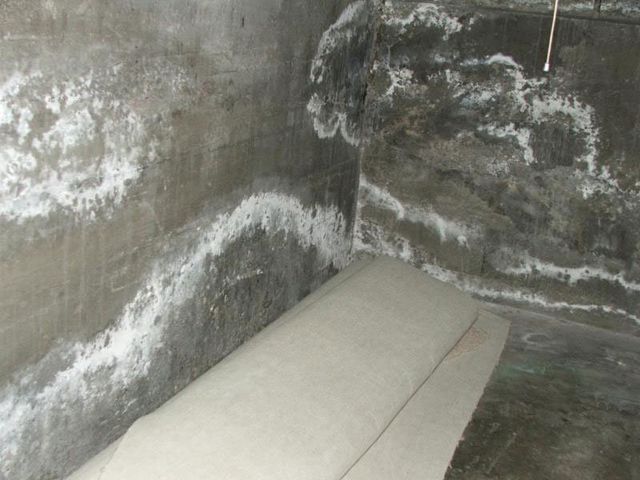
Basement slabs in Birmingham can carry moisture vapor from clay soil. Moisture testing and primer selection matter before epoxy or polyaspartic coatings.
- Call sooner if Resolve active seepage before coating if the slab is damp or bubbling old paint.
- Plan ahead if Plan coating after waterproofing is complete and the slab is dry enough for bonding.
- Avoid Coating over damp concrete
Birmingham Conditions Matter
Birmingham basements have variable slab moisture due to local clay soils. We perform moisture tests on every concrete slab before selecting primer systems.
What's Involved in Coating a Basement Floor?
The right solution starts with inspection, not guesswork. Specialists confirm the likely cause, explain the repair options, then complete the work with materials suited for below-grade conditions.
- Inspect Check slab moisture before coating
- Confirm Inspect cracks, surface profile, stains, and old sealers
- Recommend Select primer and coating system based on basement use
Inspection First, Then Repair
The goal is a clear scope: what was found, why it matters, what should be repaired, and what can safely wait.
Why Does Surface Prep Matter More Than the Coating Itself?
Diamond Grinding
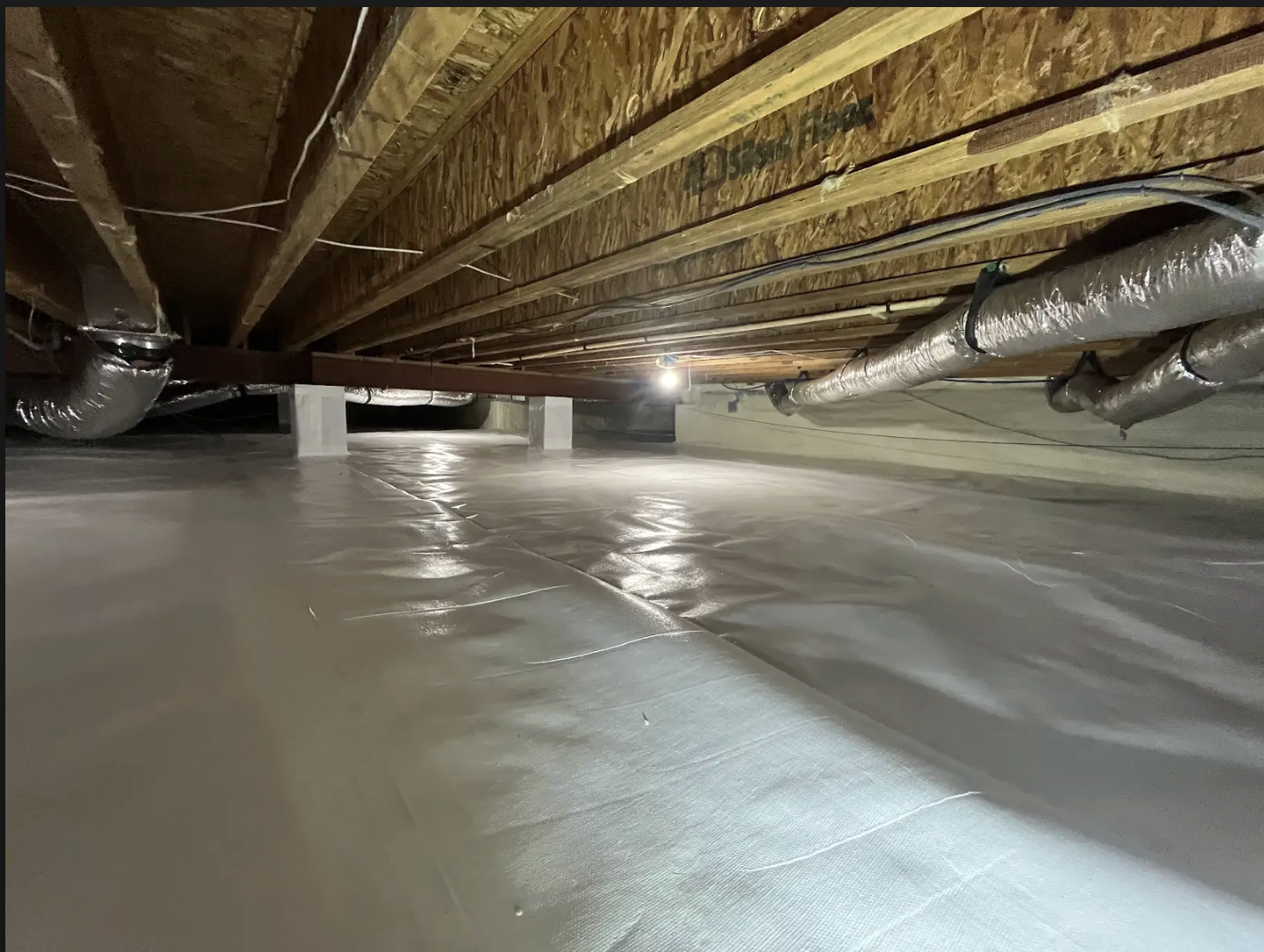
We prepare concrete using industrial grinders for optimal bond.
Moisture Block Primer
Resists up to 8 lbs of hydrostatic moisture vapor transmission.
Stain & Chemical Proof
Resists oil, chemicals, moisture, and impact damage.
Curated Colors
Curated chip colors, metallics, and solid tones to match your style.
What's Involved in Coating a Basement Floor?
Concrete Grinding
Industrial diamond grinding to clear old sealers and profile concrete.
Crack Patching & Prime
Filling pits and cracks, and applying a moisture-barrier primer.
Epoxy & Seal Coats
Squeegeeing base epoxy, adding flake/metallic colors, and topcoating.
Flake, Metallic, or Solid — Which Finish Fits My Space?
Every recommendation is matched to the source of the problem, not just the visible symptom.
Color Flake Epoxy Systems
Durable textured finish, ideal for playrooms, gyms, and wash areas.
Metallic Epoxy Coatings
Glossy, high-end flowing color patterns for premium suites.
What Mistakes Cause Coatings to Fail Early?
Below-grade repairs fail when the visible symptom gets covered but the pressure, movement, drainage, or moisture source stays active.
Coating over damp concrete
Skipping diamond grinding or surface prep
Using thin paint instead of a proper floor coating system
Need Epoxy & Polyaspartic Floor Coatings in Birmingham?
Contact us today for a free on-site consultation and written estimate.
Why Does Birmingham Soil Affect Which Coating Works?
Birmingham basements have variable slab moisture due to local clay soils. We perform moisture tests on every concrete slab before selecting primer systems.
Basement slabs in Birmingham can carry moisture vapor from clay soil. Moisture testing and primer selection matter before epoxy or polyaspartic coatings.
Epoxy & Polyaspartic Floor Coatings Service Area in Birmingham Neighborhoods
Service is provided across Birmingham ZIP areas using the same inspection-first repair process, so local soil, rain, slope, and drainage conditions are considered before work begins.
Basement Floor Coating Questions We Hear Often
Epoxy floor coatings cost between $5 and $9 per square foot. Coating an average 800 sq ft basement costs between $4,000 and $7,200.
No. If concrete contains high moisture or active seepage, the epoxy will bubble and peel. We must resolve all water intrusion issues before applying floor coatings.
We run a moisture test on the slab before recommending any coating. If it comes back damp, we address that with waterproofing first — coating over it would just fail early.
Peeling almost always comes down to trapped moisture, skipped surface prep, or using a thin store-bought paint that was never designed for basement slab conditions in the first place.
Cracks should be cleaned and patched first. Active water cracks need waterproofing before any coating system is installed.