
Professional Foundation Crack Repair
Structural epoxy and flexible polyurethane injection to repair foundation cracks permanently.
Which Cracks Are Actually Worth Worrying About?
These are the warning signs worth checking before water, movement, or humidity turns into a larger basement problem.

Is This Crack Something to Worry About?
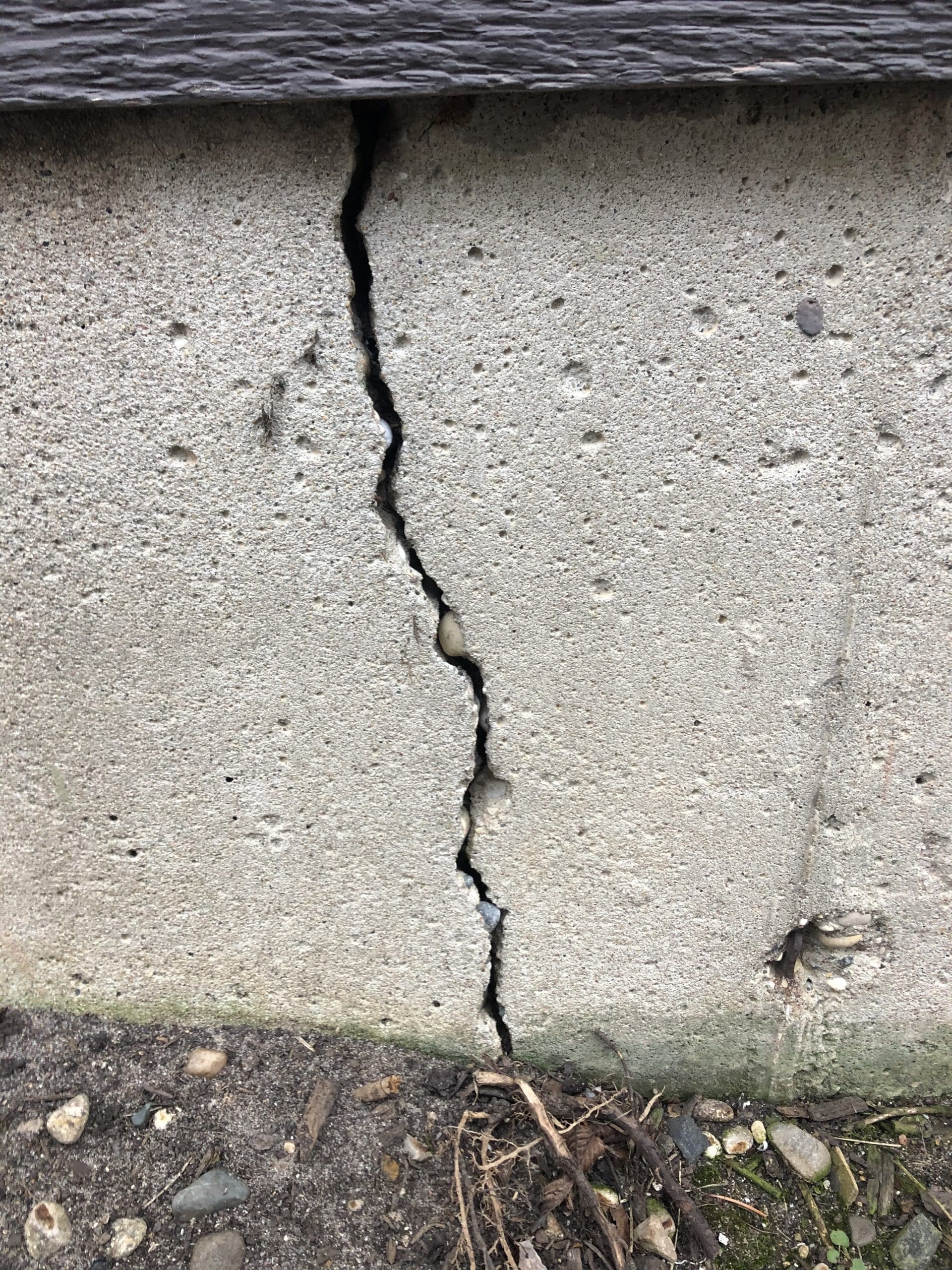
Most foundation cracks start the same way — the ground underneath settles a little, clay soil pushes and pulls with the seasons, and the concrete wall eventually gives a little at its weakest point. Not every crack is an emergency, but some are early warning signs of something bigger.
How Do You Actually Repair a Foundation Crack?
We clean the crack out, seal the surface with structural epoxy, set injection ports every 8 inches or so, and inject either epoxy or polyurethane resin from the bottom up until the crack is filled all the way through — not just patched on the surface.
Will the Wall Be as Strong as Before?
The two sides of the crack get fused back together, or sealed tight and flexible if it's still an active water leak, so you're not looking at the same problem resurfacing in a year or two.
Epoxy or Polyurethane — Which Do I Need?
Foundation Crack Repair is not a one-size-fits-all fix. It starts with understanding the visible symptoms, then matching the repair system to the actual moisture, drainage, movement, or finish condition in the basement.
- Structural Epoxy Injection Restores structural bond in cracked poured concrete.
- Hydrophobic Polyurethane Stops active leaks and fills surrounding voids.
Built Around The Actual Cause
Specialists look beyond the surface symptom so the repair plan fits the wall, floor, soil, water source, and homeowner goal.
Why Do Birmingham Foundations Crack So Often?
Seasonal clay movement around Birmingham can reopen weak repairs. Crack repair should match the crack type, moisture level, and movement risk.
- Call sooner if Call promptly if cracks are widening, horizontal, stair-step, or leaking under pressure.
- Plan ahead if Schedule a check for stable hairline cracks before finishing or painting the basement.
- Avoid Using surface caulk on cracks that need full-depth injection
Birmingham Conditions Matter
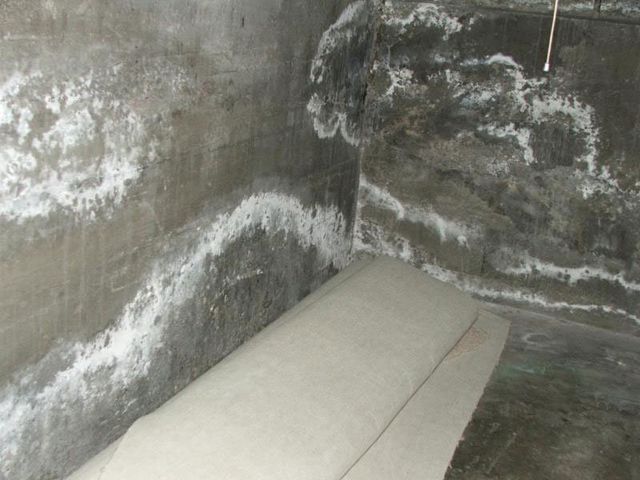
Birmingham soil movement is highly active around slope-influenced areas like Hoover, Vestavia Hills, Mountain Brook, and Five Points South. Standard crack sealing must be flexible enough to withstand these local soil stress cycles.
What Happens During Crack Repair?
The right solution starts with inspection, not guesswork. Specialists confirm the likely cause, explain the repair options, then complete the work with materials suited for below-grade conditions.
- Inspect Measure crack width, direction, and moisture activity
- Confirm Check whether movement is still active
- Recommend Choose epoxy for structural bonding or polyurethane for active water sealing
Inspection First, Then Repair
The goal is a clear scope: what was found, why it matters, what should be repaired, and what can safely wait.
Why Does the Repair Method Matter So Much?
Structural Restoring
Epoxies cure stronger than the concrete itself.
Flexible Polyurethane
Moves with seasonal clay soil expansion without failing.
Lifetime Seal
Cured materials do not shrink, dry out, or degrade.
Clean Process
No messy cleanup or heavy excavation required.
What Happens During Crack Repair?
Crack Preparation
Grinding concrete clean and clearing dust from the crack.
Port Placement
Affixing mechanical injection ports and sealing the surface.
Pressure Injection
Injecting epoxy or polyurethane from bottom to top.
Epoxy or Polyurethane — Which Do I Need?
Every recommendation is matched to the source of the problem, not just the visible symptom.
Structural Epoxy Injection
Restores structural bond in cracked poured concrete.
Hydrophobic Polyurethane
Stops active leaks and fills surrounding voids.
What Do Homeowners Usually Try First?
Below-grade repairs fail when the visible symptom gets covered but the pressure, movement, drainage, or moisture source stays active.
Using surface caulk on cracks that need full-depth injection
Choosing rigid epoxy for cracks that still move with soil pressure
Ignoring related signs like bowing walls or uneven floors
Need Professional Foundation Crack Repair in Birmingham?
Contact us today for a free on-site consultation and written estimate.
Why Do Birmingham Foundations Crack So Often?
Birmingham soil movement is highly active around slope-influenced areas like Hoover, Vestavia Hills, Mountain Brook, and Five Points South. Standard crack sealing must be flexible enough to withstand these local soil stress cycles.
Seasonal clay movement around Birmingham can reopen weak repairs. Crack repair should match the crack type, moisture level, and movement risk.
Foundation Crack Repair Service Area in Birmingham Neighborhoods
Service is provided across Birmingham ZIP areas using the same inspection-first repair process, so local soil, rain, slope, and drainage conditions are considered before work begins.
Questions About Foundation Crack Repair
Hairline vertical cracks are common settling indicators. However, horizontal cracks or diagonal cracks wider than 1/4 inch indicate structural shifting and need immediate inspection.
Standard residential crack injection ranges from $400 to $900 per crack.
Often yes. Crack repair can be part of the waterproofing plan, especially if the crack is a clear water entry point.
Yes. A crack can weaken the wall and also let water enter, so the repair material has to match both the structural and moisture condition.