
Basement Waterproofing in Birmingham That's Actually Built for Our Soil
Waterproofing systems engineered for Birmingham's clay soil — not a one-size-fits-all patch.
How Do I Know If I Actually Need Waterproofing?
These are the warning signs worth checking before water, movement, or humidity turns into a larger basement problem.
Why Is My Birmingham Basement Getting Wet in the First Place?
If you've ever gone downstairs after a heavy Alabama storm and caught that musty smell before you even reached the bottom step, you already know the problem. Birmingham sits on the Hartselle-Fullerton clay series, and that soil swells like a sponge every time it soaks up part of the region's 54+ inches of yearly rain, then shrinks back down once summer dries it out. That constant push-and-pull puts real pressure on your foundation walls, and eventually it finds a way in — through a mortar joint, a hairline crack, or the seam where the floor meets the wall.
How Does Basement Waterproofing Actually Work?
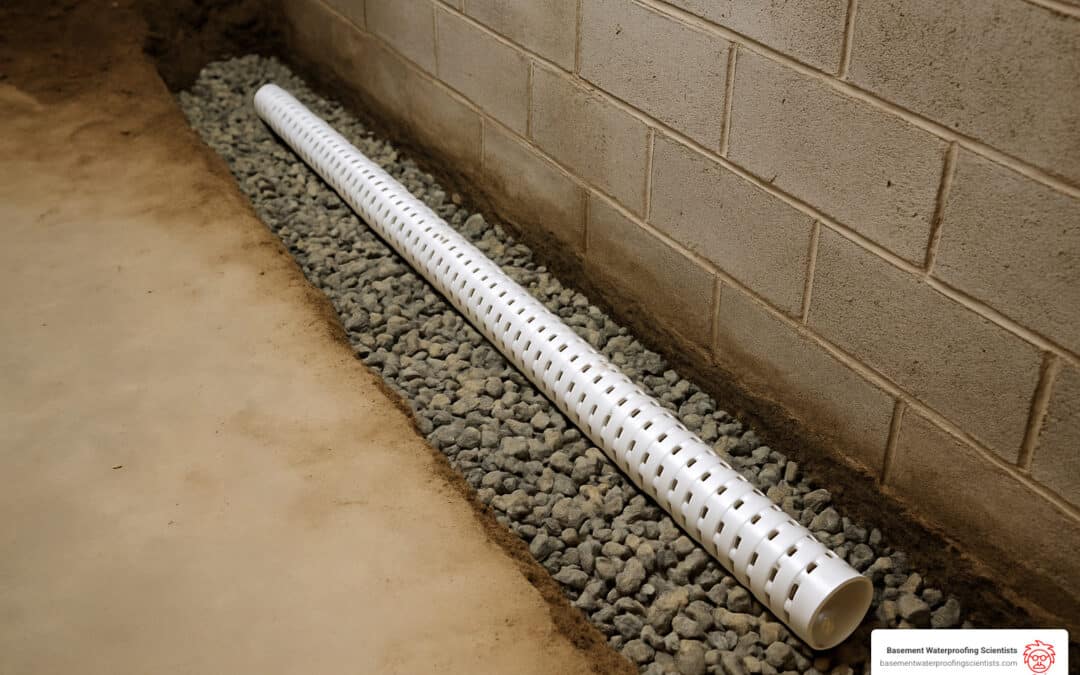
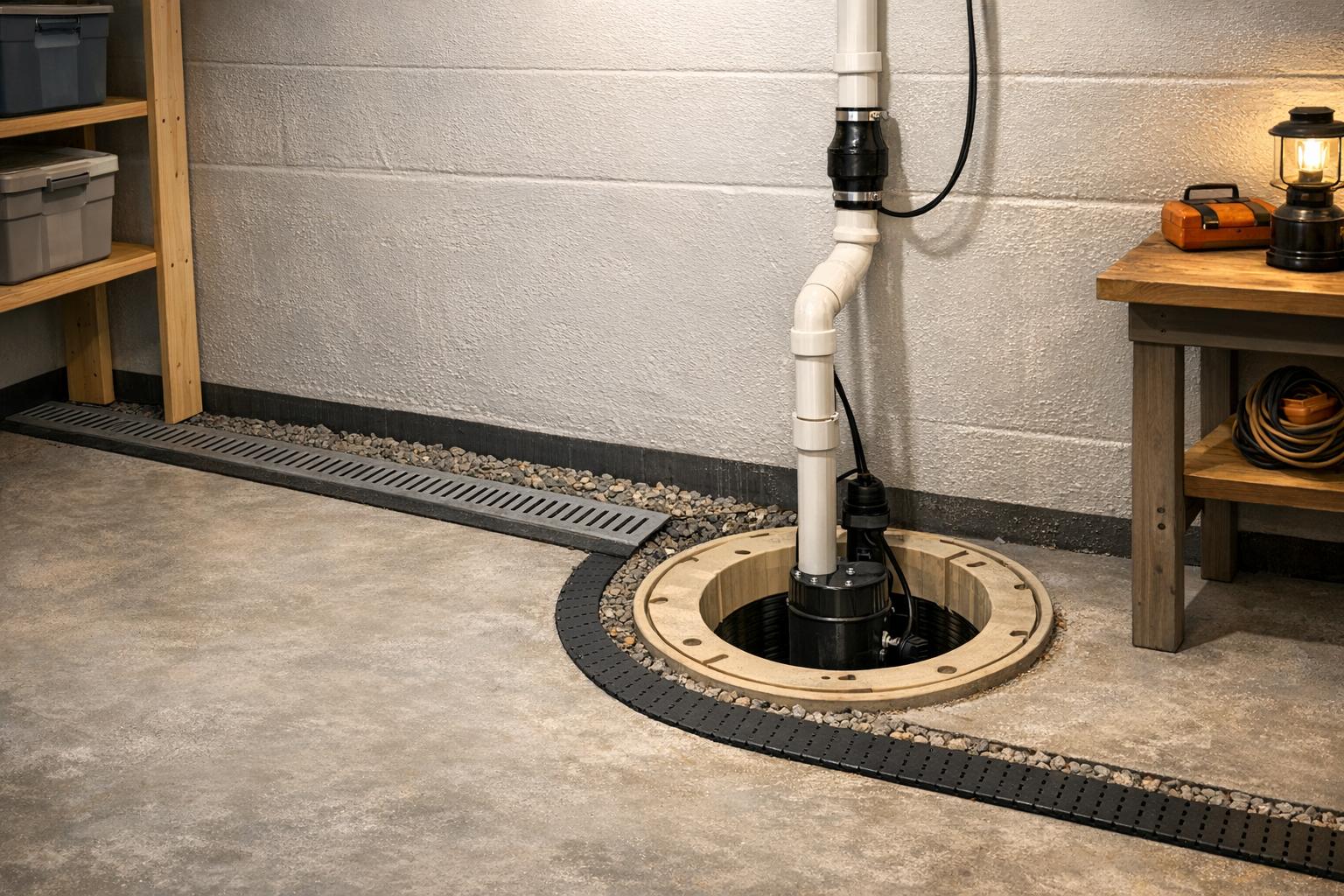
specialists don't guess at this. Depending on what is found, contractors will either install an interior system — trenching around the basement perimeter, laying a sloped 4-inch perforated drain tile in washed gravel, and tying it into a high-capacity sump pump — or go exterior, excavating down to the footings and applying a 60-mil rubberized membrane with a dimpled drainage board to carry water safely away before it ever touches your wall.
What Should I Expect Once the Work Is Done?
Either way, you end up with a basement that stays dry through the next storm and the one after that, backed by a transferable 15-to-25-year warranty — not just a patch job that fails the next time the clay shifts.
Which Waterproofing System Is Right for My Home?
Basement Waterproofing is not a one-size-fits-all fix. It starts with understanding the visible symptoms, then matching the repair system to the actual moisture, drainage, movement, or finish condition in the basement.
- Interior Drain Tile Systems Installed under the basement slab to collect sub-floor water and route it to a sump pit. Best for rising water tables.
- Exterior Waterproofing Membranes Excavated exterior barrier rated for continuous soil contact. Best for active hillside runoff.
- Basement Dehumidification Commercial-grade low-temperature dehumidification systems designed to control ambient moisture.
Built Around The Actual Cause
Specialists look beyond the surface symptom so the repair plan fits the wall, floor, soil, water source, and homeowner goal.
Why Does Birmingham's Soil Make This So Important?
Birmingham homes often need waterproofing that accounts for clay soil expansion, hillside runoff, and heavy seasonal rain. A good system should manage both exterior water load and interior hydrostatic pressure.
- Call sooner if Call quickly if water is entering during rain, if finished materials are wet, or if mold odor is spreading.
- Plan ahead if Plan an inspection if you see stains, damp concrete, or humidity even when there is no standing water.
- Avoid Painting over damp walls without relieving water pressure
Birmingham Conditions Matter
Homes in older parts of town like Forest Park and Crestwood were often built before 1960 on brick or stone foundations. Those materials are a lot more porous than the poured concrete used today, so they typically need a slightly different approach — specialized coatings paired with interior drainage — to hold up through our wet seasons.
What Does the Waterproofing Process Actually Look Like?
The right solution starts with inspection, not guesswork. Specialists confirm the likely cause, explain the repair options, then complete the work with materials suited for below-grade conditions.
- Inspect Check wall cracks, cove joints, pipe penetrations, and slab seams
- Confirm Trace exterior grading, downspouts, and water flow around the foundation
- Recommend Identify whether water pressure is coming through walls, below the slab, or both
Inspection First, Then Repair
The goal is a clear scope: what was found, why it matters, what should be repaired, and what can safely wait.
Why Do Birmingham Homeowners Choose the network for Waterproofing?
Clay-Soil Engineering
Systems designed specifically for Jefferson County's expanding clay soils.
Written Warranties
Written, transferable warranties that cover materials and workmanship.
Dust-Free Installation
Advanced negative-air HEPA systems protect your living areas during construction.
Local Craftsmanship
Licensed local tradespeople who work across Birmingham neighborhood and ZIP areas.
What Does the Waterproofing Process Actually Look Like?
Site Excavation & Preparation
Trenching or exterior excavation down to the concrete footings, removing debris.
Membrane & Drain Installation
Applying 60-mil rubberized asphalt membranes and laying perforated drainage pipes.
Sump Connection & Backfill
Connecting systems to a high-performance sump basin and backfilling with washed stone.
Which Waterproofing System Is Right for My Home?
Every recommendation is matched to the source of the problem, not just the visible symptom.
Interior Drain Tile Systems
Installed under the basement slab to collect sub-floor water and route it to a sump pit. Best for rising water tables.
Exterior Waterproofing Membranes
Excavated exterior barrier rated for continuous soil contact. Best for active hillside runoff.
Basement Dehumidification
Commercial-grade low-temperature dehumidification systems designed to control ambient moisture.
What Mistakes Do Homeowners Make Before Calling a Professional?
Below-grade repairs fail when the visible symptom gets covered but the pressure, movement, drainage, or moisture source stays active.
Painting over damp walls without relieving water pressure
Installing finished walls before the basement is proven dry
Relying only on dehumidifiers when water is entering through concrete
Need help with Basement Waterproofing in Birmingham That's Actually Built for Our Soil?
Contact us today for a free on-site consultation and written estimate.
Why Does Birmingham's Soil Make This So Important?
Homes in older parts of town like Forest Park and Crestwood were often built before 1960 on brick or stone foundations. Those materials are a lot more porous than the poured concrete used today, so they typically need a slightly different approach — specialized coatings paired with interior drainage — to hold up through our wet seasons.
Birmingham homes often need waterproofing that accounts for clay soil expansion, hillside runoff, and heavy seasonal rain. A good system should manage both exterior water load and interior hydrostatic pressure.
Basement Waterproofing Service Area in Birmingham Neighborhoods
Service is provided across Birmingham ZIP areas using the same inspection-first repair process, so local soil, rain, slope, and drainage conditions are considered before work begins.
Still Have Questions About Basement Waterproofing in Birmingham?
Interior waterproofing systems (drain tile + sump pump) typically range from $3,000 to $8,500. Full exterior excavation-based waterproofing runs between $8,000 and $18,000, depending on excavation depth and landscaping. Homes in older areas like Forest Park or Redmont Park with stone foundations may require custom masonry prep, affecting final costs.
Yes, our full waterproofing systems include a transferable 15-to-25-year warranty, which transitions to the next homeowner if you sell your property.
An average 1,500 sq ft basement interior drain tile installation takes between 3 and 5 business days.
For finished basements, we carefully remove the lower 2 feet of drywall and stud framing along the perimeter. We utilize plastic containment barriers and negative air scrubbers to keep dust from entering the rest of your home.
Standard policies rarely cover preventative waterproofing or seepage damage. However, if your basement flooded due to sudden pipe failure, insurance may cover cleanup, while structural waterproofing remains a preventative investment.
Yes, coverage extends to Birmingham neighborhood and ZIP areas including Downtown, Five Points South, Homewood, Woodlawn, Mountain Brook, Vestavia Hills, Avondale, Hoover, Lakeview, and East Lake.
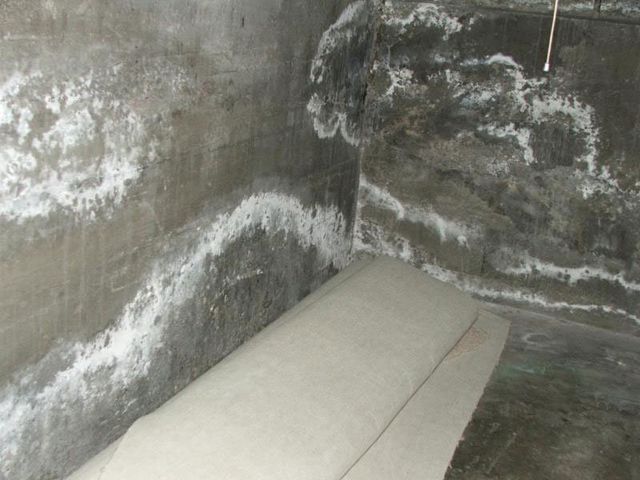
Early signs include musty odors, white mineral stains, damp wall edges, peeling paint, and small puddles after rain. These symptoms usually mean water pressure is reaching the foundation.